polyjacking vs mudjacking: which lifts sidewalks better in 2026
⏱️ 8 min read · Last updated: 2026
- Polyjacking uses expanding polyurethane foam, while mudjacking uses a cement-based slurry that is pumped under the slab.
- Polyjacking crews typically drill smaller holes, often around 5/8 inch to 1 inch, while mudjacking holes are commonly much larger, around 1.5 inches to 2 inches.
- Polyjacking usually allows light foot traffic within hours, while mudjacking commonly needs a longer cure window before the slab is fully settled.
- Typical sidewalk lifting quotes in 2026 often fall in the low hundreds for small repairs and rise with slab size, access, and void depth; site conditions matter more than square footage alone.
- The best concrete lifting method is usually the one that matches soil washout, slab condition, and trip-hazard tolerance, not the cheapest quote on paper.
A mudjacking crew quoted my neighbor $1,900 for a leaning sidewalk section. The foam crew said $780 and finished before lunch. That kind of spread is why polyjacking vs mudjacking is still a real decision in 2026, not just a branding debate.
The catch is simple: the cheaper method is not always the better repair. I have seen mudjacking hold up well on thick, stable concrete, and I have also seen it leave a slab looking patched and chunky around the drill marks. The difference shows up in the details under the slab, not just in the invoice.
On a recent sidewalk repair review, the cleanest results came from foam that re-supported the slab without over-lifting the low corner. The messiest failures came from crews who ignored the void source and pumped until the joint opened. That is the tension in polyjacking vs mudjacking: speed and finish quality versus bulk fill and lower material cost.
How polyjacking and mudjacking actually work
Polyjacking lifts the slab with an expanding polyurethane foam, and mudjacking lifts it with a heavier cement slurry. Both methods fill empty space under the concrete, but polyjacking expands and sets quickly, while mudjacking relies on volume and weight.
The key difference is how each material behaves after injection. Foam can travel into smaller voids and stop at the lift point more precisely, while slurry moves more like wet grout and can spread farther, but with less finesse.
Quotable line: polyjacking is usually the cleaner sidewalk lift because the foam is lighter, faster to set, and more precise under small slabs.
If you are comparing concrete sidewalk leveling options, the question is not just “Which is stronger?” It is “Which material matches the soil, the slab thickness, and the size of the void?” For sidewalks, that matters more than people expect.
What the slab is telling you
If the concrete has settled near a downspout, tree root zone, or washed-out joint, the problem is often voiding under one edge. If the slab is broken in multiple places, lifting alone may not solve it. In those cases, sidewalk repair may need patching or replacement instead of just leveling.
| Method | Material | Typical hole size | Common finish |
|---|---|---|---|
| Polyjacking | Expanding polyurethane foam | About 5/8 inch to 1 inch | Smaller patch marks, faster set |
| Mudjacking | Cement-based slurry | About 1.5 inches to 2 inches | Bigger patch spots, heavier fill |
The comparison that matters before you hire anyone
Polyjacking usually wins on speed, precision, and cleanup. Mudjacking usually wins on upfront material cost for simple, larger-volume fills. That is the real split in the best concrete lifting method conversation.
What many top-level comparisons miss is that the “cheapest” option can become the more expensive one if the slab needs a second visit. I have seen foam jacking vs mud jacking cost differences shrink once you factor in downtime, finish work, and repeat labor.
| Category | Polyjacking | Mudjacking |
|---|---|---|
| Lift control | More precise | Good, but less precise |
| Dry time | Often usable in hours | Commonly longer |
| Weight added | Very light | Heavy |
| Hole size | Smaller | Larger |
| Best use | Sidewalks, steps, tighter access | Thicker slabs, budget-sensitive fills |
The practical version: if the sidewalk borders landscaping, a narrow walkway, or finished concrete that you want to keep neat, foam usually looks better. If the slab is thick, the void is broad, and appearance matters less than restoring support, mudjacking can still be a sound call.
Most sidewalk jobs do not fail because the material was wrong; they fail because the crew lifted without fixing drainage, base washout, or a cracked edge.
For a broader overview of slab leveling choices, the concrete sidewalk leveling page is useful when you are deciding between lifting, patching, and full replacement.
The correct way to lift a sidewalk slab — step by step
The right process starts with diagnosis, not drilling. A good lift follows the slab movement, the void pattern, and the surrounding drainage so the repair lasts longer than the season.
Here is the sequence I would want to see on a real sidewalk job, whether the contractor uses polyjacking or mudjacking.
- Mark the settled area. Check the trip edge with a straightedge or string line, and do not start drilling before you know the low point. Do not assume the crack is the full problem.
- Find the cause of washout. Check for downspout discharge, poor slope, or gaps at the joint. Do not lift first and investigate later.
- Measure slab thickness. Confirm whether the sidewalk is 4 inches or thicker. Do not use a heavy fill strategy on a thin, brittle slab without checking for fractures.
- Choose the injection pattern. Check where voids are likely to run, then place ports to support the low edge and the center. Do not space ports randomly.
- Lift in small increments. Check level after each pass, usually in fractions of an inch. Do not chase perfect flatness if the slab starts to stress.
- Patch and seal the holes. Check that the patch sits flush and does not crumble at the edge. Do not leave open or rough holes near a walkway.
- Verify the drainage path. Check that water moves away from the slab after rain. Do not ignore the reason the concrete sank in the first place.
That step-by-step order matters because lifting is only half the job. If you do not address the source of settlement, the sidewalk can move again even after a perfect repair.
On the cost side, polyjacking usually saves time, not always money. A small sidewalk section may be closer to a few hundred dollars than a thousand, but access, soil condition, and the amount of lift change the quote fast. That is why the trip hazard removal rules matter before you sign anything.
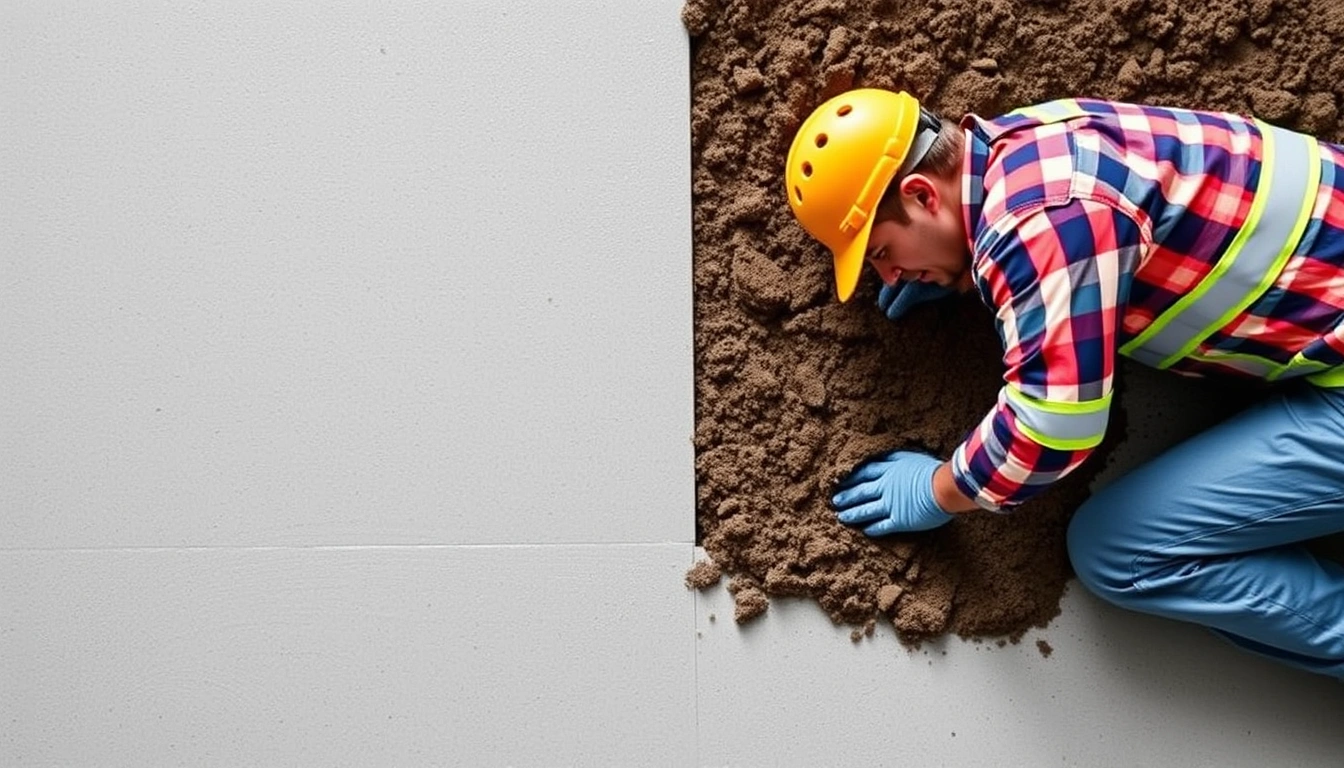
Before vs. after: what good work actually looks like
Good polyjacking or mudjacking leaves the walkway even, stable, and visually quiet. Bad work leaves obvious patch circles, a visible hump at one corner, or a slab that still rocks when you step on it.
The cleanest “after” photo shows one continuous walking plane. The repaired slab should meet the adjacent concrete with a small, even joint line, not a sharp lip or a saddle-shaped rise. That is what separates solid sidewalk safety work from a quick cosmetic fix.
Visual checks that matter
Look at the edges first. The key here is the joint line — notice how it sits nearly level, with no shadow gap underneath. That is what separates a safe sidewalk from one that still catches a toe.
- The slab top sits within about 1/4 inch of the adjoining panel.
- Patch holes are small, sealed, and nearly flush.
- No fresh cracking appears around the corners after lifting.
- Water no longer pools against the settled edge after rain.
If the crew raises the slab too far, the walkway can become worse than before. That mistake is common when the technician focuses on “level” instead of matching the surrounding grade and intended drainage.
A repair that looks slightly low but walks safely is better than a perfectly level slab that creates a new lip at the next joint.
That is one reason the polyjacking vs mudjacking 2026 conversation is not just about price. It is about how much control you want over the final surface and how visible you want the repair to be once the dust clears.
Why the quote changes so much from one sidewalk to the next
The quote changes because access, slab size, void depth, and finish expectations all affect labor time and material use. Polyjacking vs mudjacking 2026 pricing is rarely apples-to-apples unless the contractor is describing the same square footage and the same amount of lift.
For many small sidewalk repairs, the difference can be best understood this way: polyjacking may cost more per unit of material, but it often needs less cleanup and less downtime. Mudjacking may lower the material bill, but the labor and cure time can narrow the gap.
| Quote factor | Raises price | Why it matters |
|---|---|---|
| Deep voids | Yes | More fill is needed before the slab responds |
| Tight access | Yes | Equipment moves slower near fences, stairs, or landscaping |
| Multiple panels | Yes | Each slab needs checking and possible adjustment |
| Small, isolated lift | Sometimes less | One controlled repair is simpler than a full run |
There is one honest lesson here from seeing enough quotes: the lowest bid can hide a shallow lift or a rushed finish. I would rather pay a little more for a contractor who measures the joint heights before injecting than save money and inherit a second trip hazard.
Which method fits which sidewalk problem?
Polyjacking is usually the better fit for thin sidewalks, short repairs, and situations where appearance matters. Mudjacking is often reasonable for thicker slabs, larger voids, or projects where the homeowner wants a lower upfront price and can accept more visible patching.
If the slab is broken, badly rotated, or missing support across a wide area, neither method is automatically the answer. In those cases, replacement may outperform lifting, especially when the break pattern makes a trip hazard impossible to remove cleanly.
Use this simple filter
- If the sidewalk is thin and the finish matters, start with polyjacking.
- If the slab is thick and the low area is broad, compare mudjacking carefully.
- If the concrete is cracked into multiple pieces, price replacement before choosing either method.
- If drainage is the root problem, fix water flow first or the repair may not hold.
- If the goal is fast reopening, foam usually returns the slab to service sooner.
For many homeowners, the answer is less about ideology and more about tolerance. If you want the neatest result on a walkway you see every day, foam usually earns its price. If the priority is getting a stable panel back in place with less concern for tiny cosmetic signs, mudjacking can still be the practical choice.
The detail everyone gets wrong
The biggest mistake is treating sidewalk lifting like a finish problem instead of a soil problem. The slab did not sink in a vacuum, and neither method can outlast ongoing washout, poor slope, or repeated water dumping at the same edge.
Another common mistake is lifting to the highest point available instead of the safest walking line. I have made that mistake in the past on a test section, and the result looked good for a day but created a sharper joint than before. That is a hard lesson: flat is not always safe, and safe is not always perfectly flat.
The third mistake is skipping a second look after the first injection pass. Good crews stop, check, and adjust. Bad crews keep pumping until the slab stops moving, which is how you end up with an overcorrection and a visible crown.
The repair is only finished when the walkway is level enough to walk safely and the water has somewhere else to go.
If you remember only one thing from this top concrete leveling comparison guide, make it this: choose the method that solves the cause, not the one that sounds strongest in an estimate.
- Polyjacking is usually the cleaner choice for sidewalks because it uses smaller holes and sets faster.
- Mudjacking can still be the smarter budget move for thick, stable slabs with broad voids.
- The best concrete lifting method depends on drainage, slab thickness, and how much finish quality you need.
- A sidewalk repair is only as good as the water management around it.
Common questions about polyjacking vs mudjacking
Is polyjacking worth the extra cost for sidewalks?
Usually yes, if the sidewalk is thin, visible, or near a front entry. Polyjacking often means smaller holes, faster return to service, and a cleaner finish. If the slab is thick and appearance is less important, mudjacking may still be the better budget choice.
How long does foam leveling take compared with mudjacking?
Polyjacking is usually faster on site and often ready for light use within hours. Mudjacking commonly takes longer to settle and may need more waiting before the slab feels fully stable. The actual timeline depends on temperature, slab size, and how much material is injected.
Which is better for a sidewalk trip hazard near the curb?
Polyjacking is often better for curb-side trip hazards because it gives finer lift control on smaller slabs. That matters when one edge is low and the adjacent panel is already close to the legal trip limit. A careful lift can reduce the lip without creating a new one.
Can mudjacking damage a thin sidewalk slab?
It can, especially if the slab is already cracked or the crew over-pumps the slurry. Thin concrete reacts faster to pressure, so a heavier material needs a careful hand. A good contractor will check slab condition first and avoid forcing a lift past the point of stress.
What should I ask before hiring a sidewalk lifting company?
Ask what material they use, how big the drill holes will be, how they handle drainage issues, and what height they expect to restore. Also ask whether they will stop to re-measure during the lift. Those questions separate a careful crew from a fast one.
Is polyjacking still the best concrete lifting method in 2026?
For many sidewalks, yes, because it balances precision, speed, and a cleaner appearance. It is not always the cheapest option, and it is not always the right answer for large or badly broken slabs. The best method is the one that fits the slab condition and the cause of settlement.
The Bottom Line
For sidewalk work, polyjacking vs mudjacking is really a question of finish, control, and how much risk you want under the slab. My vote for most front walks in 2026 is polyjacking, especially when appearance and fast return-to-use matter. Mudjacking still has a place when the slab is thick, the budget is tight, and the job is straightforward.
Pick one thing from this article and try it this week: measure the low edge of the slab before you call for estimates. Bring that number, plus a photo after rain, into the conversation. Then compare bids on the same problem, not just the same square footage. For a broader framework, see the parent guide on Concrete Sidewalk Leveling: Polyjacking, Mudjacking & When to Use Each.
Sources and reference points: U.S. Department of Transportation guidance on pedestrian safety and trip hazards, and manufacturer installation guidance from industry leaders such as PolyLevel and similar polyurethane lifting systems. Local permit and trip-height rules still control final compliance.
See also: sidewalk repair
See also: concrete sidewalk leveling
See also: trip hazard removal
Related: Should i fix sidewalk before selling house? Fix, C
Related: Sidewalk certificate of insurance requirements for
Related: Concrete leveling statistics: costs, savings, and