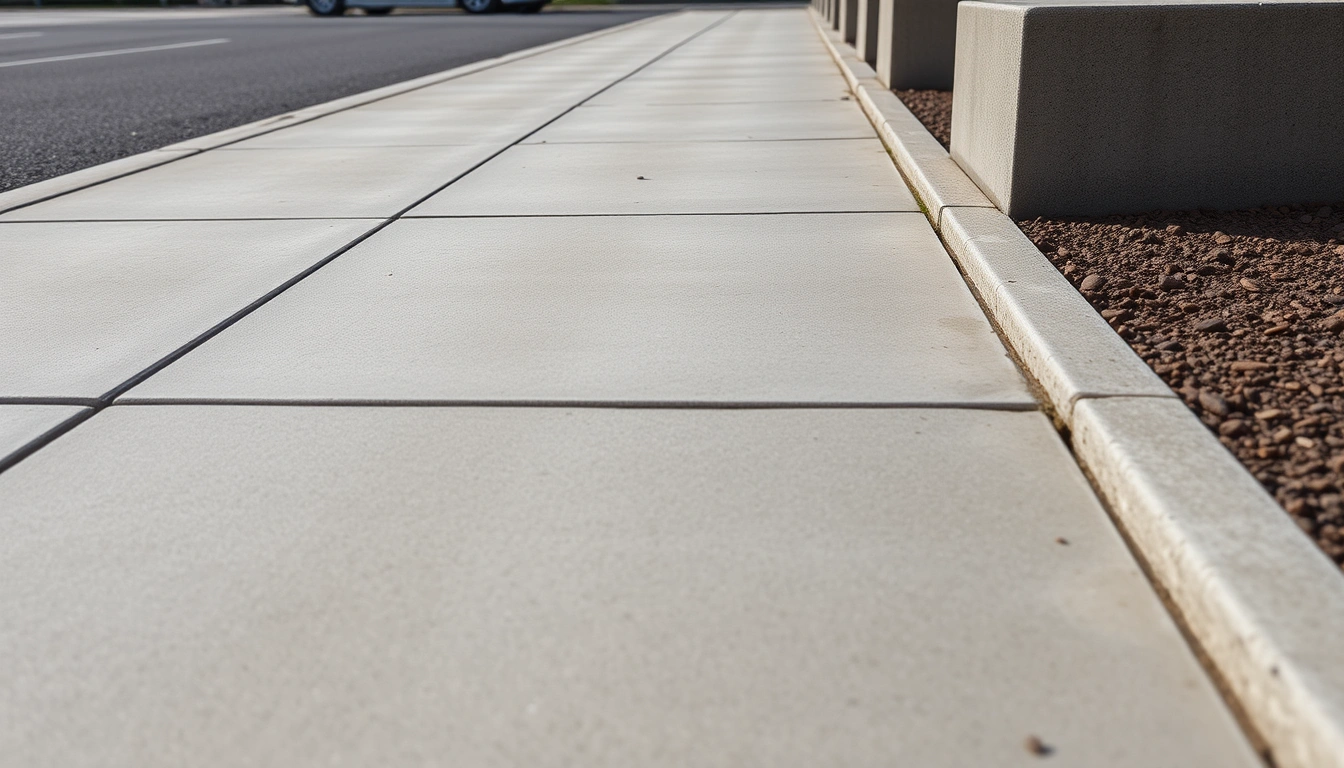
hoa sidewalk repair responsibility by state: who pays and when
⏱️ 8 min read · Last updated: 2026
- Typical HOA special assessment for sidewalk repairs is commonly about $200 to $2,000 per home.
- A reserve study usually plans major component replacements on a 20- to 30-year cycle.
- Concrete leveling can take 1 to 4 hours, while replacement usually takes 1 to 3 days plus curing time.
- A reserve fund sidewalk plan is strongest with a reserve study update every 3 to 5 years.
- A 1/2-inch height difference is often a trip concern, while a 2-inch offset usually makes the repair a priority item.
When people search for hoa sidewalk repair responsibility by state, they usually want one simple answer. In practice, the answer depends on where the sidewalk is located, what the CC&Rs say, and whether the city has its own notice rule. A cracked sidewalk can look minor until someone trips, the city sends a notice, or the HOA gets a contractor bid with four digits on it.
That is why the first step is not estimating the repair cost. It is identifying who legally controls the strip of concrete and who must pay for it. In many communities, the HOA reserve fund covers the work. In others, the homeowner or adjacent owner pays. The state sets the legal frame, but the governing documents usually decide the bill.
The state usually frames sidewalk duty; the CC&Rs usually assign the bill.
How hoa sidewalk repair responsibility by state actually works
State law usually sets the boundaries, but the HOA’s CC&Rs usually decide who maintains the sidewalk inside the development. If the sidewalk sits in a public easement, the city may still require the adjacent owner to keep it safe, even when the HOA handles common area maintenance.
The key detail is the property line, not the crack. A sidewalk can sit on HOA common area, on a homeowner lot, or in a municipal right-of-way that borders both. That is why two neighbors in the same state can have different repair duties on the same street.
As you move from state rules to local rules, it helps to check the exact documents in order. That keeps the discussion grounded and makes the board’s decision easier to defend if owners ask why the repair is going one way instead of another.
What you are actually checking
- The recorded plat or survey.
- The CC&Rs sidewalk clause.
- The HOA maintenance policy or rules.
- The city code on sidewalk defects and notices.
- Any reserve study sidewalk line item.
For state-level context, use the state’s local-government or municipal code page, then confirm against the HOA documents. California cities commonly shift sidewalk maintenance to the adjacent property owner by ordinance, while many planned communities still assign internal sidewalks to the association through recorded CC&Rs. The rule set is layered, not single-source.
If you want a plain-English reference on the liability side, I keep the distinction between ownership and exposure straight by checking sidewalk liability and responsibility before arguing about payment. That comparison makes the next step easier, because responsibility and liability are related but not identical.
| Sidewalk location | Most common payer | What changes the answer |
|---|---|---|
| Inside HOA common area | HOA | CC&Rs, reserve fund sidewalk balance, board policy |
| Along a public street | City code or adjacent owner | Municipal ordinance, notice rules, state statute |
| Within a lot owned by one member | Homeowner | Lot boundaries, easements, deed restrictions |
What is the correct way to figure out who pays?
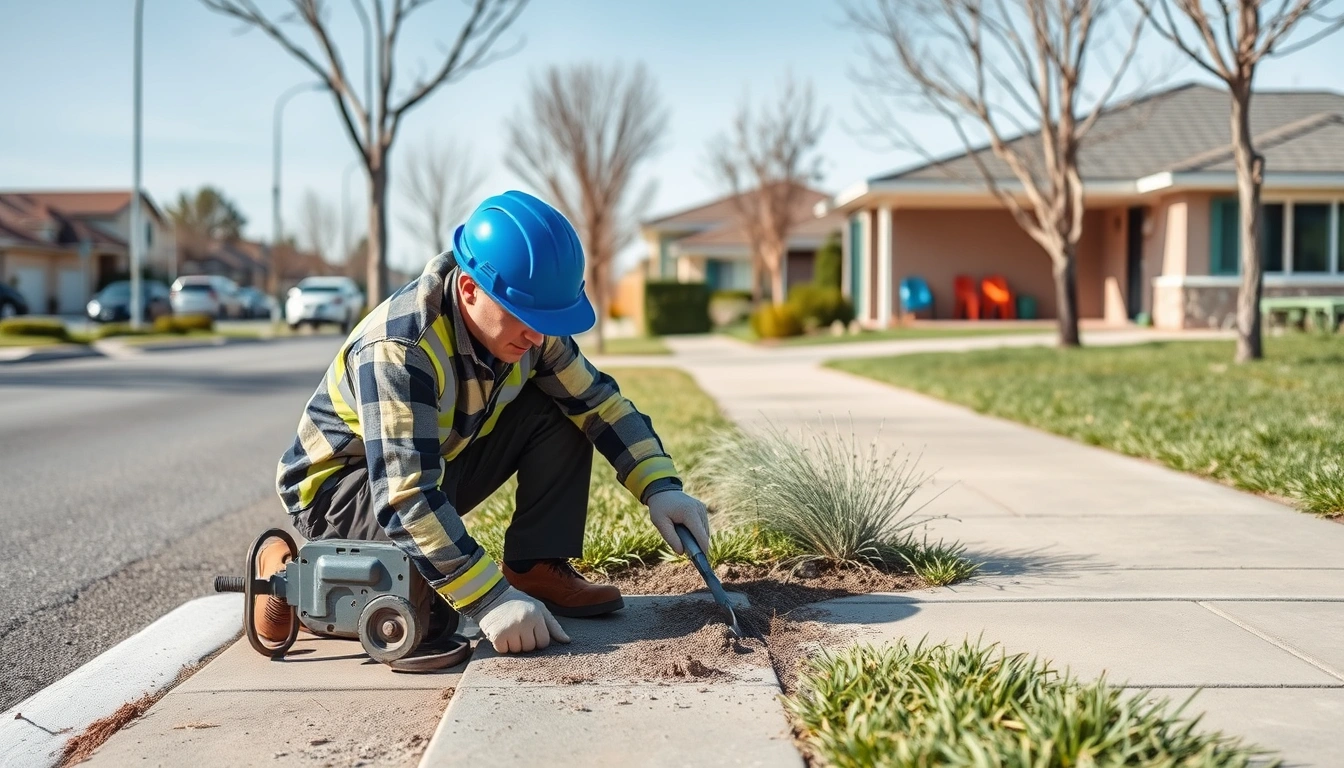
The correct way is to verify the legal status of the concrete first, then match that status to the CC&Rs, then check for city notice rules. Do not start with the contractor bid. That is how people end up with a special assessment before they know whether the HOA reserve fund should cover the work.
Start with the plat or survey and mark the sidewalk edge. Then read the CC&Rs sidewalk clause and check whether the area is a common element, limited common area, or exterior improvement. After that, review the HOA budget, city code, and reserve study before the board decides how to fund the repair.
Once those basics are clear, the repair conversation becomes much easier. The board can focus on cost, timing, and safety instead of arguing over ownership every time a slab cracks.
- Pull the recorded plat or survey and mark the sidewalk edge.
- Read the CC&Rs sidewalk clause and note who maintains “common elements,” “limited common areas,” or “exterior improvements.”
- Check the HOA budget to see whether sidewalk work sits in the reserve fund sidewalk line.
- Ask the city whether a defect notice applies to the HOA, the homeowner, or both.
- Get one contractor scope that separates lifting, patching, replacement, and root work.
- Compare that scope to the reserve study replacement interval years and the current reserve balance.
- Decide whether the board can fund it from reserves or needs a special assessment.
The best boards I have seen do this in the same week. They do not wait for an accident report. They walk the site with a ruler and flashlight, because a 1/2-inch lip is very different from a 2-inch differential and a heaved panel from a tree root.
A 1/2-inch height difference is often a trip concern; a 2-inch offset usually turns the repair into a priority item.
If your community is also facing a claim question, the payment question and liability question split fast. I break that distinction down in who is liable for sidewalk trip and fall on commercial property, because the same visual facts can trigger different legal duties. With that in mind, the next step is to apply the ownership rules to your own community.
Is my HOA or I responsible for repairing the cracked sidewalk in my community?
Usually the HOA is responsible if the sidewalk is part of the common area. The homeowner is responsible if the slab sits inside an individually owned lot or a private easement assigned to that lot.
The fastest way to tell is to check the CC&Rs and the plat together, not one or the other. If the HOA collects dues for common area maintenance and the sidewalk serves everyone, the HOA is the likely payer. If the sidewalk serves only one home and sits behind that home’s fence line or within that deeded lot, the homeowner is more likely on the hook.
That same logic is why boards should avoid guessing from appearance alone. A sidewalk can look public, but deed records may treat it as private. Once you know where it sits, the rest of the decision becomes far more direct.
- Common area sidewalk: usually HOA duty.
- Private lot sidewalk: usually owner duty.
- City easement sidewalk: often owner or city notice duty, depending on local code.
- Townhome or condo complex: frequently HOA duty if the documents say exterior surfaces are common elements.
One useful clue is the budget line. If the HOA has a reserve fund sidewalk category, that is a strong sign the board already expects future concrete work. If there is no reserve line, the board may still be responsible but underfunded, which is where a special assessment usually appears.
For sellers, this gets even more specific. A cracked walk can slow a closing if the buyer’s inspector flags it, which is why I keep a separate note on should i fix sidewalk before selling house when the timing matters. From there, the board can decide whether the issue is a maintenance item, a sale issue, or both.
Before vs. after: what good sidewalk responsibility looks like

Good sidewalk responsibility is documented before anyone reaches for a checkbook. Bad responsibility is when the board forwards a blurry photo, a contractor quote, and a complaint email, then hopes the CC&Rs will sort it out later.
In a well-run HOA, the answer is written in three places: the governing documents, the reserve study, and the maintenance log. In a messy HOA, the answer lives in memory and group text threads. That difference matters because concrete does not wait for consensus.
When those records line up, the board can move from blame to action. That usually saves time, lowers conflict, and makes the repair plan easier for owners to understand.
| Before | After |
|---|---|
| No property-line check | Plat reviewed and sidewalk location marked |
| Vague “it’s the HOA’s job” claim | CC&Rs sidewalk clause cited by section |
| One bid only | Two or three scopes compared |
| No reserve planning | Reserve study updated every 3 to 5 years |
| Emergency special assessment | Planned reserve fund sidewalk contribution |
The visual cue I trust most is a straightedge across the slab. If the edge rocks or daylight shows under the tool, the defect is measurable, not subjective. That is the kind of evidence that supports a repair decision before the issue becomes a liability dispute.
When the HOA can point to a reserve line item and a dated inspection, the repair conversation gets much shorter.
If you are trying to predict whether waiver language will help after a claim or dispute, the limits are narrower than many boards think. I cover those boundaries in sidewalk liability waiver enforceability, because a waiver is not a substitute for maintenance. That is especially true when the board already knows the defect exists.
Can an HOA charge a special assessment for sidewalk repairs?
Yes, an HOA can usually charge a special assessment for sidewalk repairs if the governing documents and state law allow it. The common trigger is a repair cost that exceeds the current HOA reserve fund or a project that was never fully funded in the reserve study.
In most communities, the special assessment is small enough to spread across owners but large enough to sting. A typical HOA special assessment range for sidewalks is often about $200 to $2,000 per home, though bigger communities with deep concrete replacement can run higher when the repair is extensive or when cash reserves are thin.
That is why the board should compare the project scope to the reserve plan before announcing a bill. A clean funding plan reduces surprise and helps owners see that the assessment is tied to a real asset, not to vague expenses.
How the board decides
- Confirm the repair belongs to the HOA.
- Check current reserves and the reserve study balance.
- Get a written scope that separates urgent repairs from optional upgrades.
- Verify whether member approval is required for the special assessment.
- Set the amount and collection date in writing.
- Communicate the reason, timing, and payment options to owners.
The cleanest assessments are tied to one project and one budget. The messiest ones are bundled with unrelated expenses, which makes owners suspicious even when the concrete work is legitimate. If the board is replacing 1,200 square feet of sidewalk, show that number and show the unit cost.
Concrete replacement is also one of those jobs where the timing affects cost. Small slab lifting can be completed in hours, while full replacement may require removal, base prep, pouring, and curing time over 1 to 3 days. For broader damage, the board should compare quotes against the original reserve replacement interval years, not just the lowest number on paper.
The detail everyone gets wrong
The detail everyone gets wrong is assuming state law is the whole answer. In hoa sidewalk repair responsibility by state, the governing documents and local ordinances usually do the real work, and the state simply sets the legal frame around them.
That is why so many forum answers conflict. One person is talking about a city-maintained street sidewalk. Another is talking about an HOA common element. A third is describing a condo association’s exterior maintenance duty. Those are three different jobs, not one.
The biggest mistake is waiting until the damage looks severe before acting. Freeze-thaw cycles, irrigation overspray, and tree roots create different damage patterns, and each one needs a different fix. A hairline crack with no vertical offset may just get sealed; a lifted panel often needs grinding, leveling, or replacement.
- Check for pooled water at panel joints.
- Mark any trip edge above 1/4 inch.
- Document every defect with a date stamp.
- Inspect after winter and after heavy rain.
- Review sidewalk sections near trees and sprinkler lines.
My own mistake, years ago, was assuming a board could “figure it out later” because the crack looked cosmetic. By the time the city inspector flagged it, the cost had doubled because the panel had settled another half inch. Small concrete issues become expensive when nobody owns the timeline.
A sidewalk repair is cheapest when the HOA catches it before the trip edge turns into a notice or claim.
Common questions about hoa sidewalk repair responsibility by state
What does an HOA’s CC&Rs say about sidewalk repair?
The CC&Rs usually assign sidewalks to either common area maintenance, limited common area maintenance, or owner maintenance. Look for the exact phrase “exterior improvements” or “common elements.” If the CC&Rs are silent, local law and the plat usually decide the fallback rule.
How to determine if HOA or homeowner pays for sidewalk repair?
Check the recorded plat first, then the CC&Rs, then the city code. If the sidewalk sits in HOA common area, the HOA usually pays. If it sits inside a privately owned lot, the homeowner usually pays. A stamped plat and a dated photo make the answer much easier to defend.
HOA reserve fund vs special assessment for sidewalks — which applies?
Use the HOA reserve fund first if the sidewalk repair was already included in the reserve study and the balance is sufficient. Use a special assessment when the repair was underfunded, unexpectedly large, or urgent. Many boards split the cost: reserves cover the planned portion, and a special assessment covers the gap.
Why is my HOA refusing to fix a sidewalk and what can I do?
The HOA may be refusing because it thinks the sidewalk is not common area, the reserve fund is short, or the damage is below its repair threshold. Ask for the governing-doc citation in writing, then request a board walk-through with photos and measurements. If the board is wrong, the plat usually settles it.
How much can an HOA assess per home for sidewalk repairs?
A typical HOA special assessment for sidewalk repairs is often about $200 to $2,000 per home, depending on the number of units and the scope. Smaller associations can be higher. The fair way to judge it is the total project cost divided by the assessment base, minus any reserve fund contribution.
How often should an HOA update sidewalk reserves?
A reserve study update every 3 to 5 years is a practical cadence for sidewalks and other concrete assets. If the community has mature trees, freeze-thaw weather, or heavy foot traffic, the board should inspect sooner and revise the reserve funding line when real wear shows up.
- hoa sidewalk repair responsibility by state is usually decided by CC&Rs plus local ordinance, not by state law alone.
- HOA common area maintenance and reserve fund planning should be checked before any special assessment is approved.
- A reserve study should be updated every 3 to 5 years, especially after freeze-thaw damage or major tree-root movement.
- The fastest way to settle responsibility is to match the plat, the CC&Rs sidewalk clause, and a measured site photo.
The Bottom Line
For hoa sidewalk repair responsibility by state, do not guess from the crack, the invoice, or the loudest neighbor. Start with the plat, then the CC&Rs, then the city code. If the sidewalk is HOA common area, the board should plan the repair through the HOA reserve fund when possible and use a special assessment only when the funding gap is real.
Pick one thing from this article and try it this week: pull the CC&Rs sidewalk clause and mark the sidewalk location on the plat. Then compare it to the Sidewalk Liability & Insurance: Who Is Responsible, Claims & Reducing Your Risk pillar before the next board meeting.
See also: sidewalk liability and responsibility
See also: should i fix sidewalk before selling house
See also: who is liable for sidewalk trip and fall on commer
See also: sidewalk repair
See also: sidewalk liability and responsibility
See also: trip hazard removal