should i fix sidewalk before selling house? Fix, credit, or disclose
⏱️ 8 min read · Last updated: 2026
If you’re wondering whether you should fix sidewalk before selling house, the answer usually comes down to safety, local rules, and disclosure risk. A cracked, lifted, or uneven sidewalk can create buyer objections, city enforcement, or lender concerns. When the damage is minor and no violation exists, a seller credit or escrow holdback may be the better move.
- Escrow holdbacks typically run 1.5 to 2 times the repair estimate. So a $2,000 fix might tie up $3,000 to $4,000 until completion.
- Cities often give you 30 to 90 days to fix a sidewalk citation. But in busier municipalities, permits and inspections can drag that timeline out.
- Home inspectors flag trip hazards when they see height differences of 1/2 inch or more. This is especially true near walkways and entry points.
- Patching concrete? Often done in a week. Full tear-out and replacement? Plan for 2 to 5 days, plus curing time.
- Seller disclosure focuses on known defects and official notices—not whether the sidewalk merely “looks fine.”
When a front walk or curb strip is cracked, lifted, or visibly uneven, it can do more than hurt curb appeal. It can trigger inspection comments, buyer questions, and city enforcement. So before deciding whether to repair, it helps to separate cosmetic wear from a real sale problem.
That distinction matters because the cheapest-looking fix is not always the smartest one. A small patch may solve the issue cleanly, while a rushed repair can create permit problems or disclosure confusion later. In other words, the right answer depends on how the defect appears, whether the city has already noticed it, and how much risk you want to carry into closing.
What actually determines the right answer here
Even when the damage looks minor, the decision still depends on how the sidewalk issue could affect the sale. In many cases, it is not the crack itself that creates trouble, but the way that crack interacts with local code, lender expectations, and seller disclosure.
For example, a visible trip hazard may be enough to worry a buyer, while a city citation can create a hard deadline. A loan underwriter may react to a raised slab if it appears unsafe. For a broader look at ownership and responsibility, check out sidewalk liability and responsibility.
A sidewalk issue becomes a sale issue when it is visible, documented, or tied to a city notice.
As a general rule, small repair costs are easier to justify when they eliminate a known problem before listing. On the other hand, if the damage is cosmetic, uncited, and unlikely to affect safety, a credit may preserve more value than a replacement that does not change buyer perception.
To narrow the choice, start with the practical signs that usually matter most:
- Slab lifted 1/2 inch or more? Get a repair estimate fast.
- City inspector left a notice? Don’t list without a plan.
- Sidewalk in a historic district or under HOA rules? Check approvals first.
- Buyer using FHA, VA, or conventional loans? Expect safety questions.
Quick check: See the defect from the curb? Worried a buyer might trip? Treat it as a sales issue, not just landscaping.
If you have an outstanding violation notice, here is the path

Once a violation notice exists, the sale becomes more structured. Buyers, lenders, and title companies usually want proof that the issue is resolved or clearly handled before closing.
The best approach is to work from the city’s deadline, not from guesswork. If the repair can be completed in time, that is often the cleanest route. If not, an escrow holdback can keep the transaction moving while still documenting the plan.
Start by confirming the exact violation language and then move toward a realistic repair plan. That way, you avoid listing the home with an unresolved problem and reduce the chance of a last-minute scramble.
- Call the city code office. Get the exact defect language, deadline, and appeal options.
- Secure two written bids from concrete or sidewalk specialists.
- Ask if a permit, inspection, or utility mark-out is required.
- Choose: complete before listing, or use an escrow holdback if closing beats the repair timeline.
- Include the issue, estimated fix, and city deadline in your seller disclosure and listing notes.
- Keep invoices, permits, and sign-off letters for the buyer, agent, and title company.
That final step matters because paperwork often resolves more buyer concern than a verbal promise. For broader liability context, check who is liable for sidewalk trip and fall on commercial property—it shows why documentation is key.
| Situation | Best Path | Why Other Options Fail |
|---|---|---|
| Minor cosmetic crack, no notice | Disclose and adjust price | Replacing concrete might not recoup costs if the market doesn’t value it |
| Raised slab with trip hazard | Fix before listing | Buyer inspection may flag it and request a credit |
| Outstanding violation notice | Resolve or use escrow holdback | Ignoring can delay closing or cause title issues |
| Repair needed, closing soon | Escrow holdback with written scope | Rushed work may lead to rework, permit problems, or renegotiation |
Quick check: City letter, citation, or deadline in hand? Stick to it. Let the letter guide your plan.
Will a cracked sidewalk affect my home sale or inspection?
Yes, a cracked sidewalk can affect both the inspection and the buyer’s comfort level. Inspectors usually do not “fail” a house, but they do flag visible hazards near entrances, walkways, and elevation changes.
That flag can change the tone of the negotiation. A small cosmetic note is easy to absorb, but a report describing lifted slabs, drainage issues, or uneven settlement often leads to repair requests or price concessions. For the insurance perspective, see sidewalk liability waiver—it clarifies why paperwork doesn’t override physical safety.
In reality, the report focuses less on the crack and more on whether it creates a fall risk.
Buyers tend to react most strongly when the damage is in a high-traffic area. A small crack in the side yard is usually less important than a raised joint at the main entry, where guests, strollers, and delivery drivers pass every day. As that concern builds, the visible condition of the walk can shape the first impression before negotiations even start.
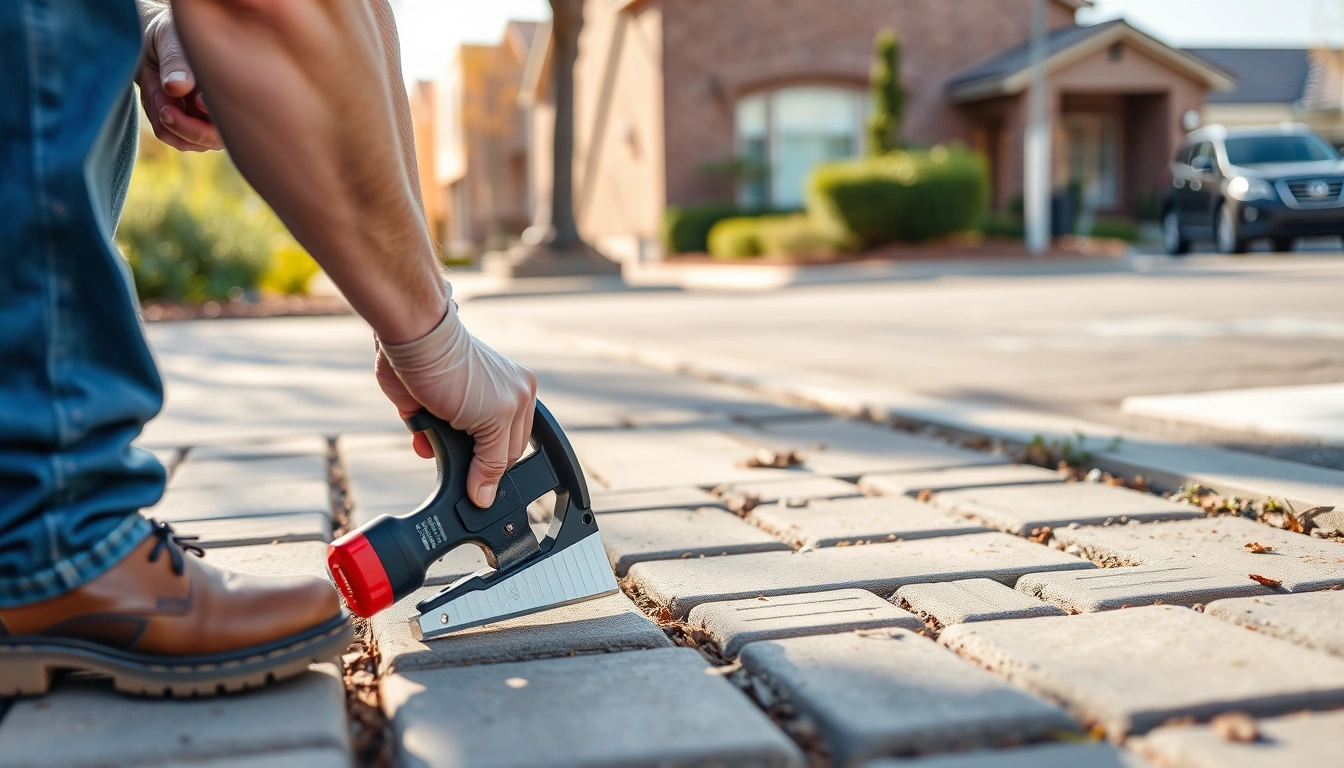
That is why clear photos matter before any repair or tour begins. A simple image next to a ruler can show whether the issue is a light cleanup job, a grind-and-level fix, or a more serious replacement. The clearer the defect looks, the more likely it is to affect pricing and negotiations.
Quick check: Guests stepping around instead of over? The inspector will notice too.
Repair, credit, or escrow holdback: which one actually makes sense?

Once you know how serious the defect is, the next step is deciding how to handle it financially. Repair works best when the defect is obvious, the scope is clear, and the cost is manageable. A credit fits when speed matters more than completion. An escrow holdback is often the fallback when work is necessary but cannot be finished before closing.
Escrow holdbacks typically run 1.5 to 2 times the repair estimate, since buyers and lenders want a cushion for permits, cleanup, and surprises. A $2,500 repair might therefore tie up $3,750 to $5,000, depending on the title company and lender. For insurance requirements, check sidewalk certificate of insurance requirements—it details what cities and owners often demand.
Use this decision path
- Get a written estimate specifying the exact slab, square footage, and finish.
- Ask the city if a permit or sidewalk cut approval is needed.
- Verify if the repair can complete before your closing date.
- Compare repair costs to potential buyer concessions post-inspection.
- Repair if cost is low and the issue is clear.
- Escrow holdback if required work can’t meet the timeline.
- Credit only if the buyer agrees and the defect is minor.
If the bids vary widely, the problem may be scope rather than price. In that case, ask for a third estimate and confirm whether the quotes include haul-away, permits, and finish work. Once the scope is clear, the decision becomes much easier to make.
In general, a written repair plan reduces friction. Buyers who want certainty usually prefer completed work, while sellers who need flexibility may lean toward a credit or holdback. The key is to match the option to the timeline instead of forcing a repair that cannot realistically close in time.
Quick check: Repair costs less than one negotiation round? Fixing it usually wins.
The part that changes everything
Seller disclosure is where sidewalk issues become more than a visual concern. If you know about a defect, notice, past repair, or recurring settlement problem, it should be stated clearly so the buyer is not surprised later.
That becomes even more important when there has already been a patch, a failed repair, or a city sign-off. In those cases, date the work, name the contractor, and keep the paperwork organized. If a buyer later finds the same issue in inspection, documentation matters more than memory.
Think of sidewalk history the same way you would think about roof history. When a defect has been repaired before, the market usually expects to see some record of it. Clear disclosure helps reduce renegotiation and protects the seller from avoidable conflict.
Quick check: Uncomfortable explaining the crack to the buyer? Disclose it upfront.
The cases where normal advice breaks down
Some sidewalk problems are straightforward, but others involve special rules that change the answer. When a city owns part of the slab, the property sits in a historic district, or the repair needs pre-approval, the usual advice may not apply. In those cases, the safest path is to confirm responsibility before scheduling work.
Historic district or HOA rules
In a historic district or under strict HOA rules, the concrete finish might need approval. The repair itself doesn’t change—but the permit path does. Use approved materials and get sign-off before pouring.
Shared sidewalk or corner lot
Corner lot or shared public strip? The city might own the slab but expect you to maintain it. Responsibility shifts, not visibility. Call the city first—schedule repair only after confirming who approves.
Active lender underwriting
Buyer already in underwriting? A new sidewalk issue can stall funding. Timing changes. Escrow holdback might be better than a repair that blows past the rate lock.
Past water or tree-root damage
Tree roots or drainage caused it? A patch alone might fail. The fix may need to address the cause, not just the surface, before new concrete goes in.
Older repair with no paperwork
Old repair with no paperwork—no invoice, permit, or sign-off? Treat it as an open story. Proof changes. Gather what you can before the buyer asks.
For broader liability beyond one cracked panel, check sidewalk liability waiver enforceability—it shows why paperwork alone doesn’t fix physical hazards.
Quick check: City, HOA, lender deadline, or tree roots involved? Avoid a one-size-fits-all fix.
Common questions about should i fix sidewalk before selling house
What must I disclose about a sidewalk when selling?
Disclose any known cracks, lifts, prior repairs, or violation notices that could impact safety or value. Most states require seller disclosure of material defects and municipal issues. Include repair invoices or city sign-offs if available.
How to handle a sidewalk violation during a home sale?
Obtain the violation in writing. Call the city for the deadline and ask about repair, permit, or inspection needs. Decide: fix before closing or use an escrow holdback. Ignoring the notice can delay title and closing.
Fix now vs escrow holdback — which is smarter?
Fix now if the repair is simple and costs are low. Escrow holdback if closing is near or city work requires permits/inspections. Holdbacks usually run 1.5 to 2 times the estimate.
Why did the buyer’s inspection flag my sidewalk?
Inspectors flag sidewalks with uneven slabs, lifted edges, or trip-inducing cracks. A 1/2-inch height difference often draws scrutiny, especially if the walk is near the front entry.
How much does fixing a sidewalk before selling cost?
Small crack repair: a few hundred dollars. Grinding, lifting, or section replacement: low thousands. Get two local bids—permit and haul-away costs can spike the final price.
Can I sell with a cracked sidewalk if I disclose it?
Often yes, if the crack is disclosed and no law or city order mandates pre-closing repair. Risks include buyer pushback, lender concerns, or title issues from outstanding violations. Clear paperwork beats optimism.
- Fix the sidewalk if it’s a trip hazard or tied to a violation notice.
- Document known defects, repairs, permits, and city letters in seller disclosure.
- Escrow holdback shines when closing beats the repair timeline.
- Buyers spot front-walk damage quickly, especially with 1/2-inch height changes.
The bottom line
If you’re still deciding should i fix sidewalk before selling house, the safest answer is this: fix it when the sidewalk is visibly damaged, cited, or likely to be flagged in inspection. If the problem is minor and the market is moving quickly, a credit or escrow holdback can be the cleaner option. The goal is to reduce risk, document the issue clearly, and avoid last-minute surprises before closing.
For the bigger responsibility context, start with Sidewalk Liability & Insurance: Who Is Responsible, Claims & Reducing Your Risk. It helps determine if your sidewalk issue is a repair, disclosure item, or closing risk.
See also: sidewalk liability and responsibility
See also: who is liable for sidewalk trip and fall on commer
See also: sidewalk liability waiver enforceability
Related: hoa sidewalk repair responsibility by state
See also: sidewalk repair
See also: sidewalk liability and responsibility
See also: concrete sidewalk leveling