is concrete leveling worth it? The Real Cost vs Replacement
⏱️ 8 min read · Last updated: 2026
- Typical return on investment: leveling often costs about 30% to 70% less than full replacement when the slab is intact and the problem is settlement, not structural breakage.
- Common pricing pattern: polyurethane foam leveling is usually priced per void or section, while replacement often includes demolition, disposal, forms, new concrete, curing time, and finish work.
- Typical re-settlement rate: if the soil problem is not corrected, a leveled sidewalk can settle again within 1 to 5 years; with drainage or base fixes, the risk drops sharply.
- Leveling fails most often when there is active subgrade failure, badly eroded soil, fractured slabs, or repeated water intrusion from downspouts, sprinklers, or poor grading.
- Most sidewalk leveling jobs take 1 to 3 hours for the lift itself, and light foot traffic often resumes the same day.
The crack ran from the garage door to the mailbox — half an inch wide by spring. A neighbor paid $1,850 to replace one slab; another spent $780 on polyurethane foam leveling and kept the rest of the walk. That is the real test behind is concrete leveling worth it: not whether the invoice is smaller, but whether the slab still has enough life left to justify saving it.
I have watched leveling make perfect sense on a two-panel sidewalk with clean edges and obvious slab settlement. I have also seen it fail quickly when the base was washed out by a downspout dumping water next to the same joint every storm. The bill matters, but subgrade failure signs matter more.
How concrete leveling actually works and why most people miss it
Concrete leveling is worth it when the slab itself is still sound and the problem is the soil beneath it. The lift is not magic; it is a repair to the support, not the concrete.
Most people look at the crack and think the concrete is “bad.” In many sidewalk jobs, the real problem is slab settlement caused by voids under the slab, weak fill, or water moving soil out of place. Polyurethane foam leveling fills those voids, then raises the slab back toward grade.
A good lift leaves a joint line level enough to remove the trip hazard, but not so aggressive that it stresses the slab edge.
The key here is the edge condition — notice how a healthy slab has intact corners, tight joints, and only a vertical offset. That is what separates a good leveling candidate from a replacement job.
| What you see | What it usually means | Best move |
|---|---|---|
| Slab dropped 1/2 inch to 2 inches | Often settlement, not failure | Leveling is usually a strong option |
| Hairline cracks with solid edges | Concrete still has useful life | Lift first, patch after |
| Broken corner, spalling, or missing pieces | Material failure on top of settlement | Replacement often wins |
| Water pooling at the same spot | Drainage may be causing repeated movement | Fix drainage before or with leveling |
For people comparing methods, the broad category page on concrete sidewalk leveling is the right starting point before you choose a method. The method matters, but the ground conditions matter more.
Is it worth leveling my sidewalk or should I just replace it?
Replacement wins when the slab is broken, the base is gone, or the sidewalk layout is bad enough that the same movement will come back. Leveling wins when the slab is intact and the issue is mainly vertical settlement.
The return on investment is usually better for leveling because you avoid demolition, haul-off, and new concrete curing time. In most cases, leveling costs about 30% to 70% less than replacement, which is why it often makes sense for one or two settled panels.
Use this simple decision test
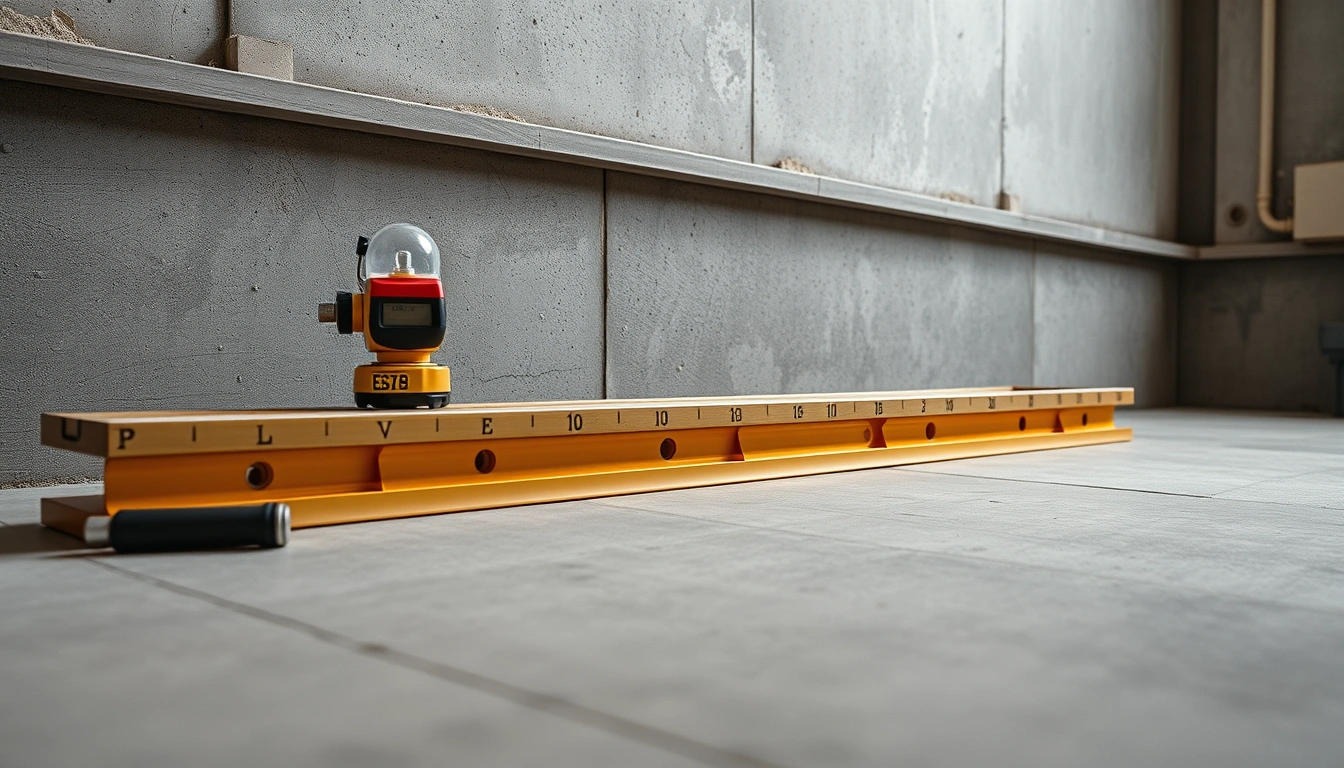
- Measure the offset with a straightedge or a level. Check whether the lift needed is under about 2 inches. Do not guess by eye alone.
- Inspect the slab edges. Check for intact corners, no major crumbling, and no missing chunks. Do not level slabs that are breaking apart at the lift point.
- Look for drainage problems. Check downspouts, sprinkler overspray, and low spots that hold water. Do not ignore water movement, or the repair may settle again.
- Press on the adjacent panels. Check whether the walk feels hollow, loose, or visibly rocking. Do not assume one good slab means the whole run is stable.
- Estimate the remaining life. Check whether the sidewalk is 5 years old or 35 years old, because age changes the economics fast. Do not spend leveling money on concrete that is already failing broadly.
- Compare repair scope to replacement scope. Check whether you are fixing one panel or rebuilding a long run. Do not pay for leveling when three or more sections need new concrete anyway.
| Option | Typical use case | Typical ROI |
|---|---|---|
| Polyurethane foam leveling | Good slab, settled soil, quick trip hazard fix | Strong when replacement is not needed |
| Mudjacking | Heavier lift, larger voids, lower material cost | Good if access is simple and slab is thick enough |
| Replacement | Broken slab, major base loss, repeated failure | Better long-term value when the old slab is spent |
For cost planning, the detailed concrete leveling cost breakdown helps when you are comparing a lift against a full tear-out. If the price gap is small, replacement gets more attractive fast.
Quotable line: If the slab is intact and the problem is settlement, leveling usually delivers the best return on investment; if the slab is cracked through or the base is failing, replacement is the smarter spend.
When does concrete leveling not make sense?
Concrete leveling does not make sense when the slab has structural damage, active erosion, or repeated movement from unresolved water problems. It also stops making sense when the cost of diagnosis and drainage work climbs close to replacement.
There are a few clear leveling limitations. Foam can lift a slab, but it cannot rebuild lost concrete, bond a split panel back together, or permanently fix a washout caused by bad grading. If you can shove a screwdriver into a joint and find empty space under the slab after a storm, that is a warning sign, not a good candidate.
Here is the hard rule I use: if the soil problem is active and easy to predict, fix the cause first or expect a higher re-settlement rate. In 2026, that is still the mistake that wastes the most money.
Typical re-settlement rate is low when drainage is corrected, but it can climb back into the 1 to 5 year range when water keeps moving the same subgrade.
When the issue is more than one settled section, compare options using the local sidewalk repair guide. A patchwork approach gets expensive when you are trying to save a walk that should just be rebuilt.
The correct way to decide step by step
The correct way to decide is to inspect the concrete, diagnose the soil, and compare the repair cost against the remaining life of the slab. That is the only way is concrete leveling worth it becomes a real answer instead of a guess.
- Mark the trip hazard. Measure the vertical difference in inches. Check whether it is a cosmetic issue or a safety issue. Do not use “it looks a little off” as the deciding standard.
- Map the movement. Check whether the same panel settled once or several times. Do not treat repeated movement as a one-time fluke.
- Inspect for subgrade failure signs. Look for soil voids, washout, pooled water, or soft edges. Do not ignore soil that feels spongy or disappears at the joint.
- Compare slab condition. Check for cracks wider than hairline, broken corners, and surface scaling. Do not level a slab that will likely crack apart during the lift.
- Estimate access and method. Check whether a foam truck or mixer can reach the area easily. Do not overpay for a method that is awkward for your site.
- Get one leveling quote and one replacement quote. Compare the total project, not just the sticker price. Do not compare a repair quote against a full-featured replacement estimate without the same scope.
- Choose the fix that matches the failure. Check whether support loss, not concrete loss, is the main issue. Do not choose leveling when the slab itself is the problem.
For a safety-first lens, the rules around trip hazard removal matter because some municipalities care more about offset than about cosmetic cracks. If the walk is public-facing, compliance can decide the project before cost does.
Quotable line: A good leveling decision starts with a measured offset, not a gut feeling.
Before vs. after: what good results actually look like
Good leveling looks boring, and that is the point. The panels line up, the lip disappears, and the joint stays clean instead of telegraphing stress through a fresh crack.
The key here is the transition line — notice how the repaired edge should fall close enough to flush that a shoe, stroller wheel, or cane no longer catches. That is what separates a useful repair from a pretty failure.
| Check | Good result | Bad result |
|---|---|---|
| Surface height | Near flush across the joint | Still has a noticeable lip |
| Joint condition | Closed, stable, and clean | Cracked wider after lifting |
| Water flow | Moves away from the slab | Pools in the same spot |
| Movement after 30 days | No visible change | Panel drops again |
One of the most useful observations I have seen is that foam leveling often finishes in 1 to 3 hours, but the real test happens after the first heavy rain. If the adjacent soil stays stable and the water route changed, the repair usually holds better.
That is why polyurethane foam leveling can look expensive up front and still win on leveling ROI. You are paying for faster return to use, less disruption, and a lower chance of tearing out a good slab.
The detail everyone gets wrong
The detail everyone gets wrong is assuming the concrete is the problem. In most sidewalk repairs, the concrete is the messenger and the subgrade is the cause.
That matters because a slab can be lifted perfectly and still fail later if the soil keeps washing out. I have made that mistake once on a small path: the lift looked great for six months, then the same corner dropped again because the gutter elbow was dumping water right beside it. The repair was fine. The drainage was not.
If you want the repair to last, look for the cause in this order: roof runoff, irrigation overspray, grading toward the slab, then weak fill. Once those are stable, leveling limitations shrink and the repair starts to pencil out.
In 2026, the best sidewalk repair is usually the one that fixes the water path first and the slab second.
Quotable line: The fastest way to waste leveling money is to ignore the soil movement that caused the settlement in the first place.
Common Questions About is concrete leveling worth it
What makes concrete leveling worth it or not?
Concrete leveling is worth it when the slab is intact, the problem is settlement, and you want a fast fix for a trip hazard. It is not worth it when the slab is broken, the base is washed out, or water keeps eroding the soil under the same panel.
How do I decide if leveling is worth it step by step?
Measure the offset, inspect the slab for cracks or broken edges, check drainage, and compare one leveling quote with one replacement quote. If the slab is sound and the issue is vertical settlement under about 2 inches, leveling usually offers the better return on investment.
Leveling vs replacement — which is the better value?
Leveling is usually the better value for a sound slab because it commonly costs 30% to 70% less than replacement and returns the sidewalk to use the same day. Replacement is better when the concrete is damaged, the base has failed, or the sidewalk needs multiple sections rebuilt.
Why did my leveling fail and when isn’t it worth it?
Leveling usually fails because the soil keeps moving, water keeps eroding the subgrade, or the slab was already too broken to save. It is not worth it when the same panel has settled repeatedly after rain, or when cracks and edge loss show the concrete itself is past its useful life.
How much do I save leveling instead of replacing?
In many sidewalk jobs, leveling saves roughly 30% to 70% compared with replacement. The exact savings depend on access, slab size, disposal costs, and whether the replacement would need forms, reinforcement, and finish work. For a single settled panel, the savings are usually strongest.
How long before I need to level the same sidewalk again?
If drainage is corrected and the soil is stable, a leveled sidewalk can last for many years. If water keeps moving the subgrade, the same area may settle again in 1 to 5 years. The best predictor is whether the cause of settlement was fixed, not the leveling material alone.
- Concrete leveling is usually worth it when the slab is sound and settlement is the only real problem.
- Replacement wins when the concrete is broken, the base is failing, or drainage problems will cause repeat settlement.
- The biggest mistake is repairing the slab before fixing the water path that caused the movement.
- For many sidewalks, leveling beats replacement on both cost and speed, especially in 2026.
The bottom line
is concrete leveling worth it when you have a good slab, a clear trip hazard, and a fixable soil problem. It is not worth it when the sidewalk is breaking apart or the same section keeps settling because water is still attacking the base.
Pick one thing from this article and try it this week — measure the offset, inspect the drainage, or get both a leveling and replacement quote. Then compare the numbers against the age and condition of the slab. If you want the method-by-method breakdown, start with the pillar article on Concrete Sidewalk Leveling: Polyjacking, Mudjacking & When to Use Each.
See also: concrete sidewalk leveling
See also: concrete leveling cost sidewalk
See also: trip hazard removal
Related: polyurethane foam leveling process
Related: mudjacking problems
Related: concrete leveling lifespan